
As Australian businesses rapidly embrace digital transformation, cloud-based application development has become the backbone of modern innovation. From startups to enterprise-level organisations, the cloud helps companies scale faster, reduce operational costs, and deliver seamless user experiences.
But with this growth comes an equally important concern: security and compliance.
Australia has some of the strictest cybersecurity and data protection standards in the world. Any business building or deploying cloud applications must ensure that security measures and compliance frameworks are embedded at every level of development.
This guide breaks down the essential insights every Australian business needs to know.
Why Cloud-Based Development Is Booming in Australia


Cloud adoption in Australia continues to rise thanks to:
- Lower infrastructure costs
- Scalability and flexibility
- Faster time-to-market for apps
- Improved collaboration across remote teams
- Access to advanced technologies like AI, ML, and automation
But with these advantages comes the responsibility to keep the environment secure and compliant with local laws.
Essential Security Insights for Cloud-Based Application Development
1. Data Encryption Is Non-Negotiable
All sensitive data—whether stored or in transit—must be encrypted using industry-standard protocols.
This includes:
- Customer personal information
- Financial records
- Internal communications
- Application logs
Encryption ensures that even if data is intercepted or accessed illegally, it remains unreadable.
2. Multi-Factor Authentication (MFA) and Identity Management
To protect cloud applications from unauthorized access, Australian companies must implement:
- MFA
- Identity and Access Management (IAM)
- Role-Based Access Control (RBAC)
- Single Sign-On (SSO)
These measures ensure only verified, authorised users can access sensitive systems.
3. Secure API Integration
Cloud apps rely heavily on APIs. Weak or unprotected APIs are one of the biggest attack surfaces.
Security practices include:
- Token-based authentication
- API gateways
- Rate limiting
- Regular vulnerability testing
4. Continuous Monitoring & Threat Detection
Modern cloud platforms allow real-time monitoring using AI and automated threat detection tools.
Businesses should track:
- Unusual login activity
- Suspicious data transfers
- Configuration changes
- Network anomalies
This helps detect a breach before damage occurs.
5. Regular Penetration Testing & Security Audits


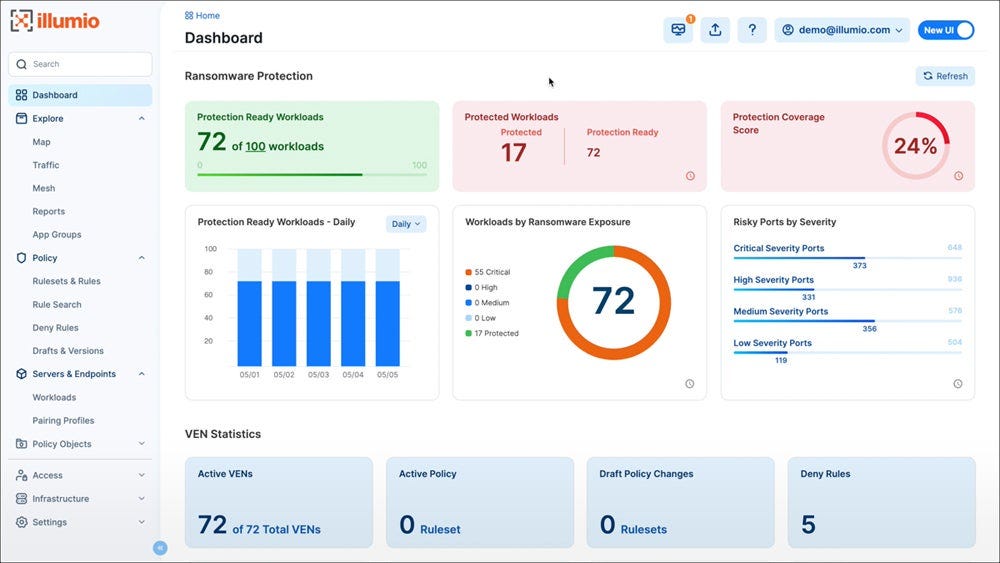
Security testing must be part of the development lifecycle, not an afterthought.
Australian companies often conduct:
- Penetration testing
- Vulnerability scanning
- Code audits
- Cloud configuration assessments
This ensures continuous security hardening.
Compliance Requirements for Cloud Applications in Australia
Australia enforces strict legal frameworks to ensure the privacy and security of user data. Here are the main compliance obligations businesses must follow.
1. The Australian Privacy Act 1988 (APPs)
Any cloud application collecting personal information must comply with the Australian Privacy Principles (APPs), which regulate:
- Data collection
- Data storage
- Data access
- Data disclosure
- Data correction
These rules apply to almost every business operating in Australia.
2. Notifiable Data Breaches (NDB) Scheme
Under this scheme, organisations must notify:
- Affected users
- The Office of the Australian Information Commissioner (OAIC)
if a breach occurs that may cause harm.
Failure to comply can result in hefty penalties and reputation damage.
3. Data Residency and Sovereignty
Some industries require Australian customer data to be stored within Australia.
Especially critical for:
- Healthcare
- Finance
- Government services
Choosing cloud providers with Australian-based data centres (AWS, Azure, Google Cloud) ensures compliance.
4. Industry-Specific Standards
Depending on the sector, additional compliance may include:
- ISO 27001 (Information Security Management)
- PCI DSS (Payment Card Industry)
- HIPAA-equivalent guidelines for telehealth apps
- ASD Essential Eight for government-related apps
Best Practices for Secure Cloud Development in Australia
✔ Adopt a “Security-by-Design” Approach
Integrate security at every stage—design, development, deployment, and maintenance.
✔ Use Zero-Trust Architecture
“Never trust, always verify” helps reduce the risk of internal and external attacks.
✔ Choose a Compliant Cloud Provider
Select providers with certifications, strong monitoring tools, and Australian data centres.
✔ Automate Backups and Disaster Recovery
Backup automation ensures business continuity in case of outages, attacks, or human error.
✔ Train Your Team
Human error remains the #1 cause of cybersecurity breaches.
Regular training is essential.
Final Thoughts
Cloud-based application development in Australia offers enormous benefits — speed, scalability, and access to cutting-edge tech. But security and compliance must stay at the forefront of every project.
By following best practices and aligning with Australian regulations, businesses can build cloud applications that are not only powerful, but secure, reliable, and fully compliant.