
As Australian businesses continue to invest in digital transformation, choosing the right web development approach has become more important than ever. Whether you’re building a corporate website, an ecommerce platform, a booking system, or a custom web application, the development methodology you choose can directly impact:
- Project cost
- Timeline
- Flexibility
- Final quality
- Overall business outcomes
Two of the most widely used methodologies are Agile and Waterfall, each offering unique advantages depending on your goals, project size, and budget.
In this blog, we’ll break down both approaches, compare them in detail, and help you decide which development style best fits your needs in the Australian market.
Understanding the Two Approaches

1. What Is the Waterfall Method?
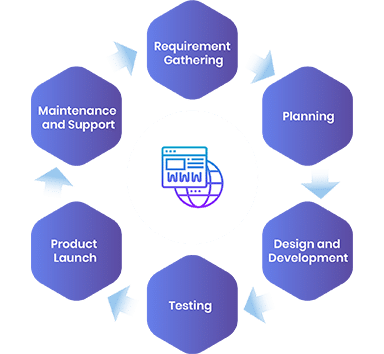
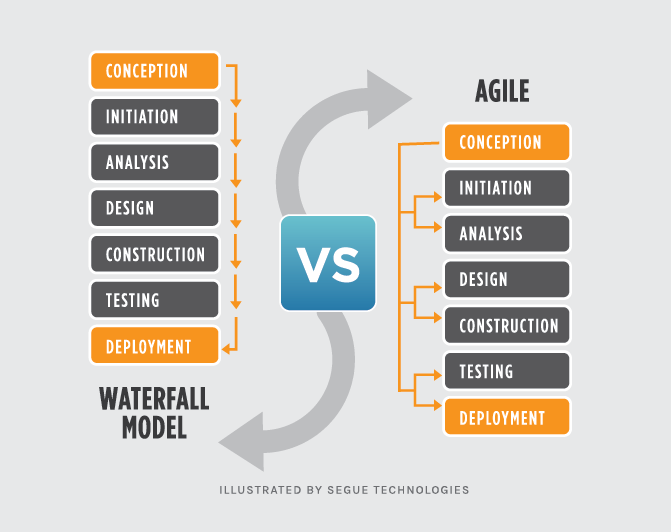
Waterfall is a linear, step-by-step approach where each phase must be completed before moving on to the next. It typically follows this structure:
- Requirements gathering
- Planning
- Design
- Development
- Testing
- Deployment
Waterfall is predictable and structured, making it ideal for projects with fixed requirements and clear expectations.
Benefits of the Waterfall Approach
- Clear timelines and predictable costs
- Detailed documentation
- Easier for businesses that prefer traditional project management
- Works well for small, straightforward websites
Limitations
- Difficult to make changes once development has started
- Limited flexibility
- Delays in one stage can affect the entire timeline
2. What Is the Agile Method?
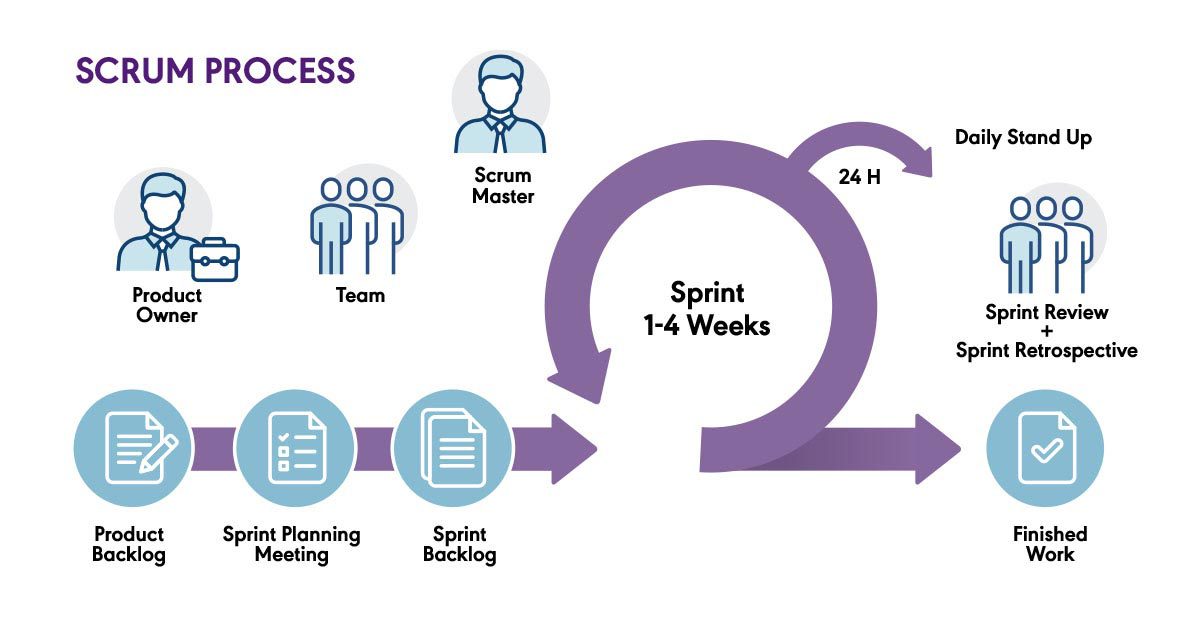
Agile is a flexible, iterative approach where projects are broken into smaller cycles called sprints. Instead of delivering everything at once, your development team delivers the project in pieces—improving it at every stage based on your feedback.
Benefits of the Agile Approach
- High flexibility and adaptability
- Fast delivery through sprints
- Continuous testing and improvement
- Ideal for complex or evolving projects
- The client is involved throughout the process
Limitations
- Costs may vary depending on changes
- Requires frequent communication
- Can be overwhelming for businesses unfamiliar with iterative development
Agile vs. Waterfall: Which Is Better for Australian Businesses?

The right methodology depends on your business goals, project size, and how much flexibility you need.
Below is a detailed comparison:
| Factor | Agile | Waterfall |
|---|---|---|
| Flexibility | Very high | Very low |
| Client Involvement | Continuous | Mostly at the start |
| Project Type | Complex, evolving | Simple, fixed-scope |
| Budget | Can vary | Fixed |
| Timeline | Adaptive | Predictable |
| Risk Level | Low (issues spotted early) | Higher (problems found late) |
| Preferred By | Startups, tech-driven businesses, ecommerce | Government, construction, small sites |
Which Method Should You Choose?
Let’s break it down based on your business situation:
Choose Agile If:
- You want a modern, scalable website
- Your project needs continuous improvements
- Your business model evolves quickly
- You want to test features as you go
- You’re building complex systems like ecommerce, SaaS, or portals
Agile is extremely popular in Australia’s tech ecosystem, especially among:
- Startups
- Digital agencies
- E-commerce brands
- Software companies
Choose Waterfall If:
- Your project requirements are fixed
- You want a clear budget from day one
- Your website is small (5–10 pages)
- You prefer a structured and predictable flow
- Your organization requires formal documentation
Waterfall is commonly used by:
- Government departments
- Educational institutions
- Business owners wanting a simple corporate website
Real-World Examples in Australia
Agile Example
A Melbourne-based ecommerce business wants to launch a shopping platform with continuous improvements, changing product categories, and new features every month.
Agile allows them to release the website quickly and refine it over time.
Waterfall Example
A Sydney law firm needs a 7-page corporate website with no future updates.
Waterfall ensures predictable delivery with minimal client involvement.
Modern Trend: Hybrid Development
Many Australian agencies now use a hybrid approach, combining both methodologies:
- Waterfall for planning and structure
- Agile for development and testing
This gives businesses the best of both worlds: predictability + flexibility.
Final Verdict: Which One Fits Your Needs?
Choosing between Agile and Waterfall depends on:
✔ Budget
✔ Deadline flexibility
✔ Project complexity
✔ Your involvement level
✔ Future scalability
Agile is best for ongoing, evolving, and complex web development.
Waterfall is ideal for small, predictable, and static websites.
Smart Australian businesses are leaning toward Agile—but the right choice depends on your unique goals.